
7:40 a.m., May 23, 1939
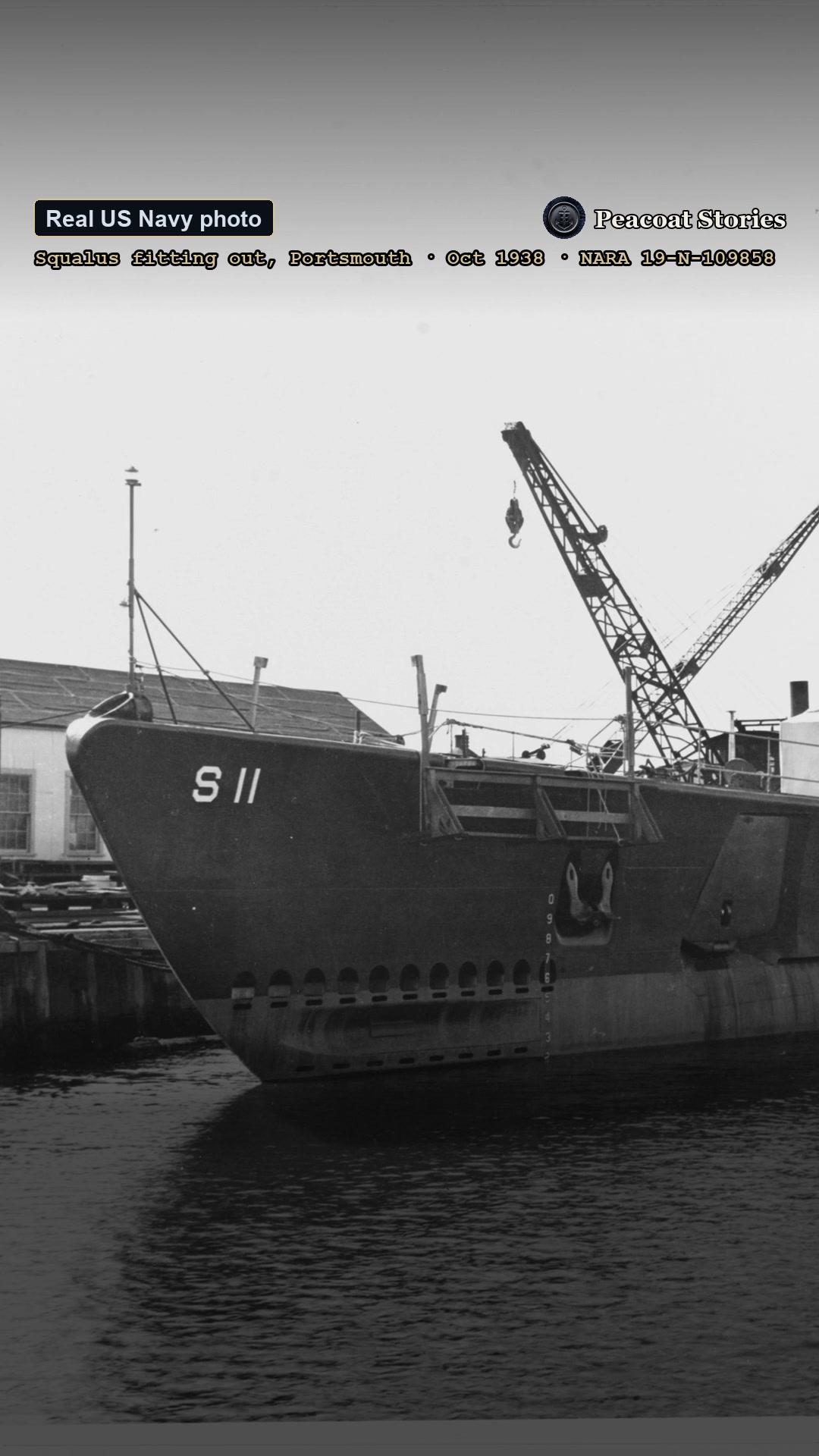
USS Squalus (SS-192) was brand new. She had been commissioned at Portsmouth Navy Yard on March 1, 1939, with Lt. Oliver F. Naquin in command. On the morning of May 23 she went out for a trial dive off the Isles of Shoals, near Portsmouth, New Hampshire. There were 59 men aboard: 56 crew and three civilians.
At 7:40, just after she submerged, the main engine air induction valve failed and stayed open. Seawater poured into the after engine room. Squalus sank stern first and settled upright on the bottom, about 240 feet down.
Twenty-six men were lost in the flooded after part of the boat. Thirty-three were alive in the forward compartments.
Found by her sister
Back in port, the Navy sent out Squalus's sister ship, USS Sculpin (SS-191). Sculpin spotted a red smoke bomb, then Squalus's forward marker buoy, which held a telephone line down to the sunken boat.
Sculpin's captain, Lt. Warren D. Wilkin, got about two minutes on that phone with the men below. Then the buoy cable parted. After that, the two crews talked the old way, in Morse code tapped with a hammer on the hull.
Inside Squalus the survivors spent a cold night in the dark, and chlorine gas leaked from the battery compartment.
A chamber that had never been used for real
The rescue ship USS Falcon arrived from New London at 4:25 the next morning. Lt. Cmdr. Charles “Swede” Momsen of the Navy's Experimental Diving Unit had been flown in from Washington. Cmdr. Allan R. McCann came with twelve divers and the McCann rescue chamber, a revised version of a diving bell invented by Momsen.
The first diver down, Boatswain's Mate First Class Martin Sibitzky, shackled the chamber's cable to Squalus's forward escape hatch. At 11:30 a.m. on May 24 the chamber went down. The Navy's own report notes it was the first time the chamber had been used for anything other than training.
It made four trips and brought up 7, then 9, then 9, then 8 men. On the last trip the hauling reel jammed about 155 feet down, and the cable frayed to its final strand. The crew hauled the chamber up by hand. The last survivors stepped out at 12:25 a.m. on May 25, about 13 hours after the first descent.
All 33 survivors came up alive.
On a fifth descent, two divers went to the flooded after torpedo room and confirmed no one else was left alive. Four divers, William Badders, John Mihalowski, Orson L. Crandall and James Harper McDonald, later received the Medal of Honor.
Then the Navy raised her
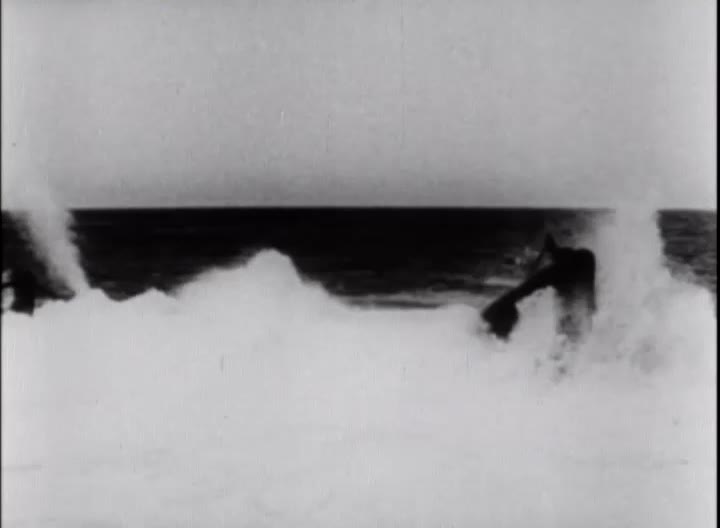
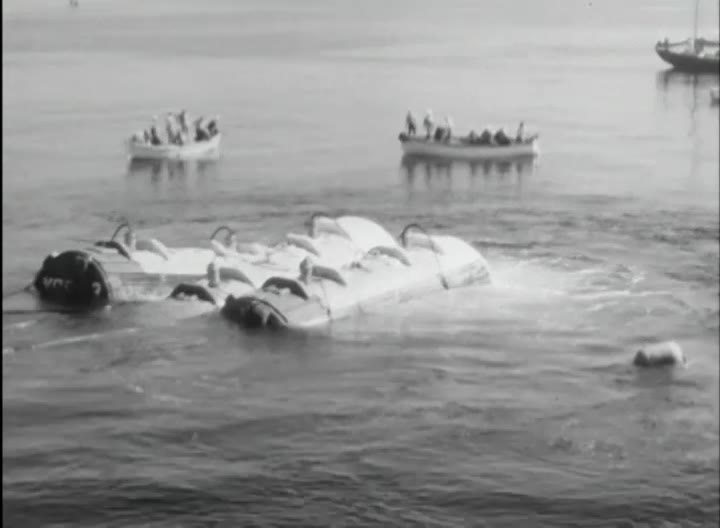
Salvage divers passed cables under the hull and rigged pontoons on each side. On July 13, 1939, the bow broke the surface out of control and sank again. Squalus had gone down a second time. The main lift came on August 12, and she was towed into Portsmouth Navy Yard on September 13, 1939.
She was renamed USS Sailfish on February 9, 1940, and went back into commission that May.
The twist
Sailfish went to war. She made 12 war patrols and earned nine battle stars and a Presidential Unit Citation.
In December 1943, in typhoon seas off Japan, she sank the Japanese escort carrier Chuyo. It took three separate torpedo attacks.
Chuyo was carrying 21 captured American submariners from USS Sculpin, the same boat that had found Squalus in 1939. Twenty of them died, and one survived. The Navy's own history calls it ironic: “the carrier transporting the Sculpin survivors was sunk by Sailfish, which Sculpin had helped to locate and raise.”
Sailfish was sold for scrap in 1948.